Carnations are the traditional Mother's Day flower. Anna Jarvis, who campaigned for the holiday, sent white carnations to the first Mother's Day service in Grafton, West Virginia, in 1908, because they were her mother's favorite. President Woodrow Wilson made the second Sunday in May a national holiday in 1914, and carnations stayed tied to the day.
A custom grew from that first service. People wore a red or pink carnation to honor a living mother and a white one to remember a mother who had died. Some families still follow it, so think twice before you send an all-white bouquet to a mom who knows the tradition.
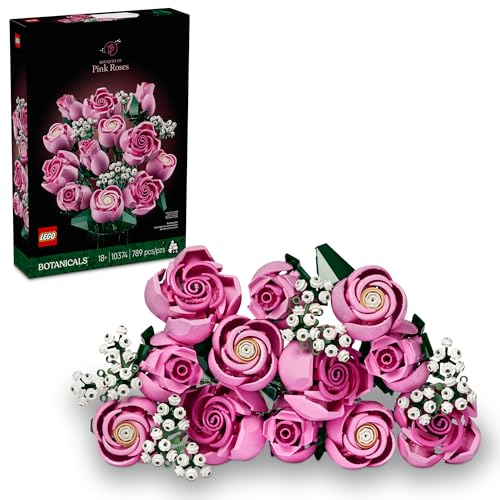
Roses carry the most familiar color language. Red usually reads as romantic love, which suits a husband's bouquet more than a son's. Pink stands for thanks and admiration, yellow for friendship and cheer, and a mixed bouquet reads as warm and family-like. If you don't know her favorite, pink or mixed roses are the safe choice from a grown child.
Peonies, tulips and sunflowers have no single meaning that everyone agrees on, and that is fine. Peonies bloom for a few weeks in late spring, so they feel like a seasonal treat. Tulips announce spring. Sunflowers are cheerful and casual, and they suit a mom who dislikes anything fussy.
The table sums up the flowers you will see most often on Mother's Day and when each one fits best.
| Flower |
What it usually says |
Best for |
| Pink or red carnation |
Love and gratitude for a living mother |
The traditionalist, and any mom who keeps flowers until the last petal |
| White carnation |
Remembering a mother who has died |
A grandma or mom marking her own mother's memory |
| Pink rose |
Thanks and admiration |
A bouquet from a grown son or daughter |
| Red rose |
Romantic love |
A bouquet from her husband or partner |
| Mixed roses |
Warmth and celebration |
A family bouquet when you don't know her favorite color |
| Peony |
Late spring abundance |
The mom who grows them, or loves them and can't |
| Tulip |
Spring and a fresh start |
The mom who loves color and a casual vase |
| Sunflower |
Cheer and warmth |
The mom who finds roses too formal |
| Orchid |
Elegance that lasts |
The mom who wants a flower she can keep for months |
Flower meanings come from Victorian flower dictionaries and later custom, and the books often disagree. Use them as a starting point, then pick the color she wears and the flower she plants. Her favorite always beats the symbolism.